

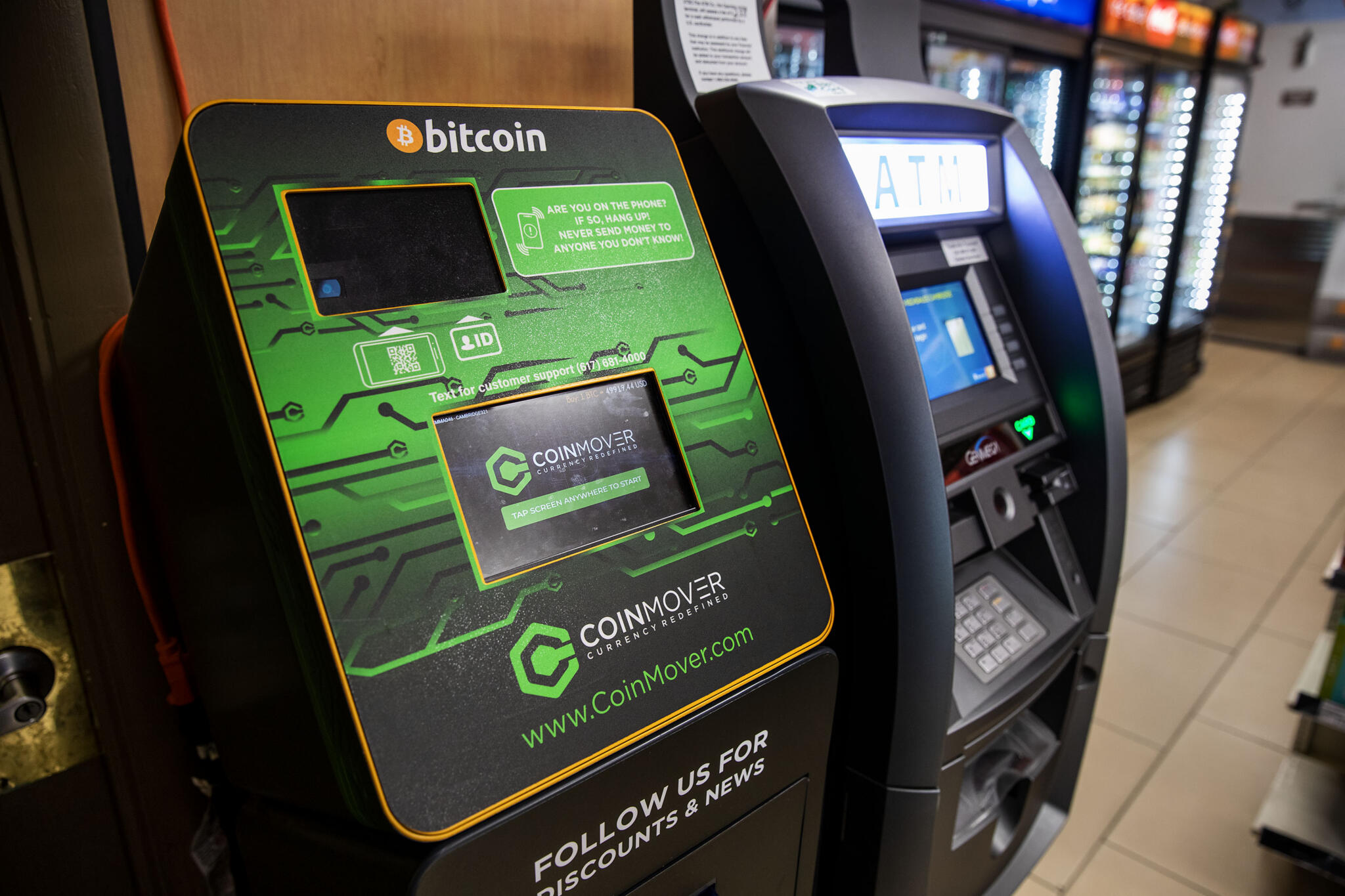
Springfield City Council is considering a total ban on cryptocurrency kiosks. Local leaders want to remove these machines to protect residents from financial scams. The council hopes this decision will keep local money safe.
Why is Springfield banning cryptocurrency kiosks?
City officials are worried about the rise of scams in their area. Bad actors often trick people into sending cash through these physical ATMs. Once the money enters the machine, it converts into digital coins and vanishes instantly. The victim usually loses their money forever with no way to get it back.
Many local citizens do not know how these digital coins work. Scammers take advantage of this confusion to steal savings from older people and vulnerable residents. By banning the machines completely, the city council aims to cut off a major tool that criminals use every day. This bold step shows how serious local leaders are about stopping financial crime.
What does a crypto kiosk ban mean for local people?
If the city council passes the law, companies must remove all their machines from local stores and gas stations. People in the city will no longer be able to buy or sell digital coins at neighborhood kiosks. Anyone who wants to trade will have to use online exchanges on their phones or computers instead.
For regular consumers, this change brings better safety at the cost of quick convenience. It stops people from making quick, panicked decisions while talking to scammers on the phone. Honest buyers can still use safe internet services at home. However, criminals will lose a very easy way to take cash from unsuspecting victims on street corners.
How do criminals use automated machines for scams?
Scammers like physical kiosks because transactions happen very fast and leave few traces. They often call people and pretend to be government workers, police officers, or utility companies. They scare the victim by saying they must pay a fine right away or face immediate arrest. This trick is a common example of cryptocurrency and crime working together.
The scammer directs the scared person to drive to the nearest kiosk with physical cash. The victim feeds paper bills into the machine and scans a code sent by the criminal. The machine sends the funds directly to the criminal's digital wallet in seconds. Because these transfers cannot be canceled, victims lose their life savings before they realize they were tricked.
What will happen next with the proposed ban?
The city council will meet to discuss the details of the official proposal. Council members will vote on whether to make the complete ban a permanent local law. Store owners who host these machines may share their thoughts during public meetings before the final vote takes place.
If Springfield approves the full ban, other towns and cities across the country might copy the idea. Many regional leaders are watching this case closely to see if local laws can stop digital fraud. For now, residents should stay alert, ignore unexpected requests for cash payments, and warn their neighbors about potential phone scams.






0 Comments